News · SME · UK
UK defence, autonomy SME raises USD70m in Series A funding round
The year-old UK company is developing European sovereign autonomy capabilities.

News · SME · UK
UK SME Agon has secured USD70 million in funding to scale up, as it looks to establish a new European laboratory to train, test, and refine AI and autonomous systems.
The UK Government announced that both its National Security Strategic Investment Fund (NSSIF) and Sovereign AI Fund contributed to Agon’s Series A funding round, on 23 November.
The NSSIF invests in “high potential startups” with solutions that can drive impact for national security, while the Sovereign AI Fund invests in domestic AI companies.
The respective investments come as Agon – which was established in January 2026 – positions itself as a provider of sovereign autonomy training and testing for Europe.
The Series A funding – which typically refers to a round of major institutional funding – follows an initial funding round of USD30 million when the company emerged from stealth in July.
The announcement says that as part of the Series A funding, Agon received investments from Lakestar, Lux Capital, and XYZ Venture Capital, and other private funds, including Northzone which is relatively new to defence.
What is Agon looking to deliver?
A company spokesperson told DSEI Gateway that Agon is “developing the foundational infrastructure and AI models to create superior autonomous defence capabilities”.
Currently, Agon has around 20 employees and is looking to increase this number to support its expansion, they explained.
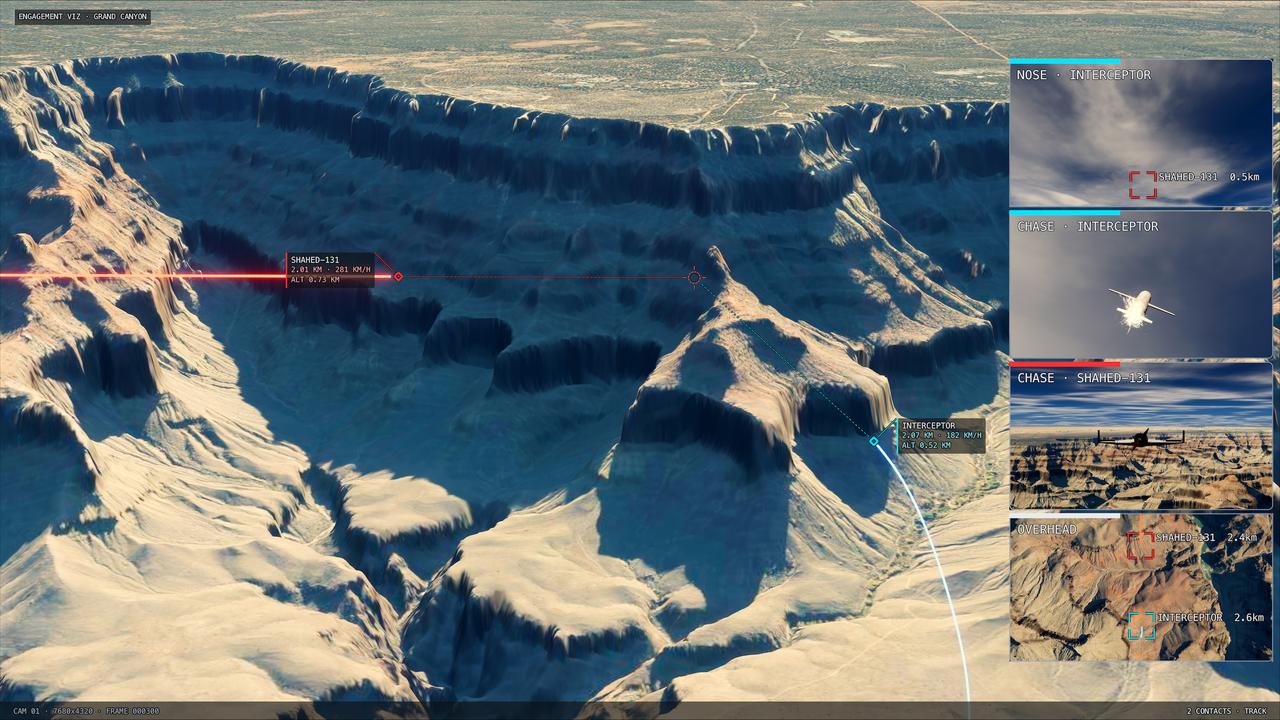
In terms of its operations, the company says it is pursuing the development of the lab by leveraging a “synthetic battle arena”.
This virtual arena, DSEI Gateway understands, is based on the company’s Agon Engine product. It “gives developers and defence organisations a safe, repeatable environment to train and test autonomous systems against thousands of demanding scenarios” and virtual adversaries, the spokesperson explained.