
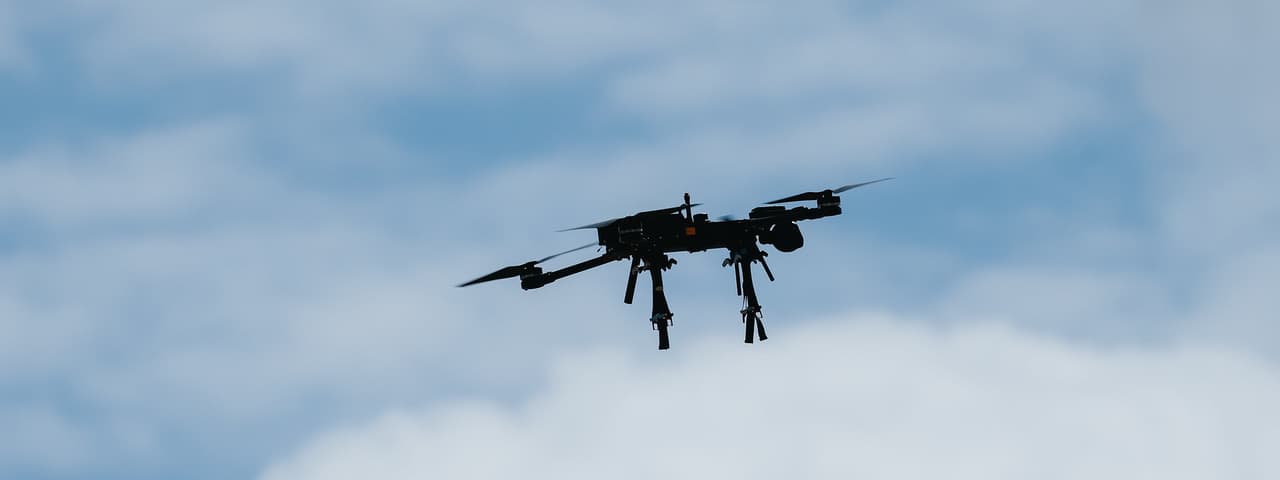
A drone flying during NATO's drone trial. (Latvian Ministry of Defence)
NATO holds large-scale drone trial in Latvia
DSEI Gateway reports from the Sēlija testing range, which offers member states a rare testing ground with limited regulatory constraints.
29 MAY 2026

By
Olivia
Savage
Editor in Chief, DSEI Gateway
NATO held a large-scale drone trial at the Sēlija Military Training Area in Latvia to evaluate the latest drone and counter-drone technology from across the alliance.
Launched in early 2026, Sēlija is one of five new NATO Innovation Ranges set up under NATO’s Rapid Adoption Action Plan to test, evaluate, and validate emerging and disruptive technologies in real operational conditions.
Sēlija NATO Innovation Range
Sēlija, which focuses on testing uncrewed systems, is the most advanced of the five ranges, having held its inaugural campaign in March. Along with the latest trial, a further three testing campaigns are planned for this year – in July, September, and November – a NATO official told DSEI Gateway.
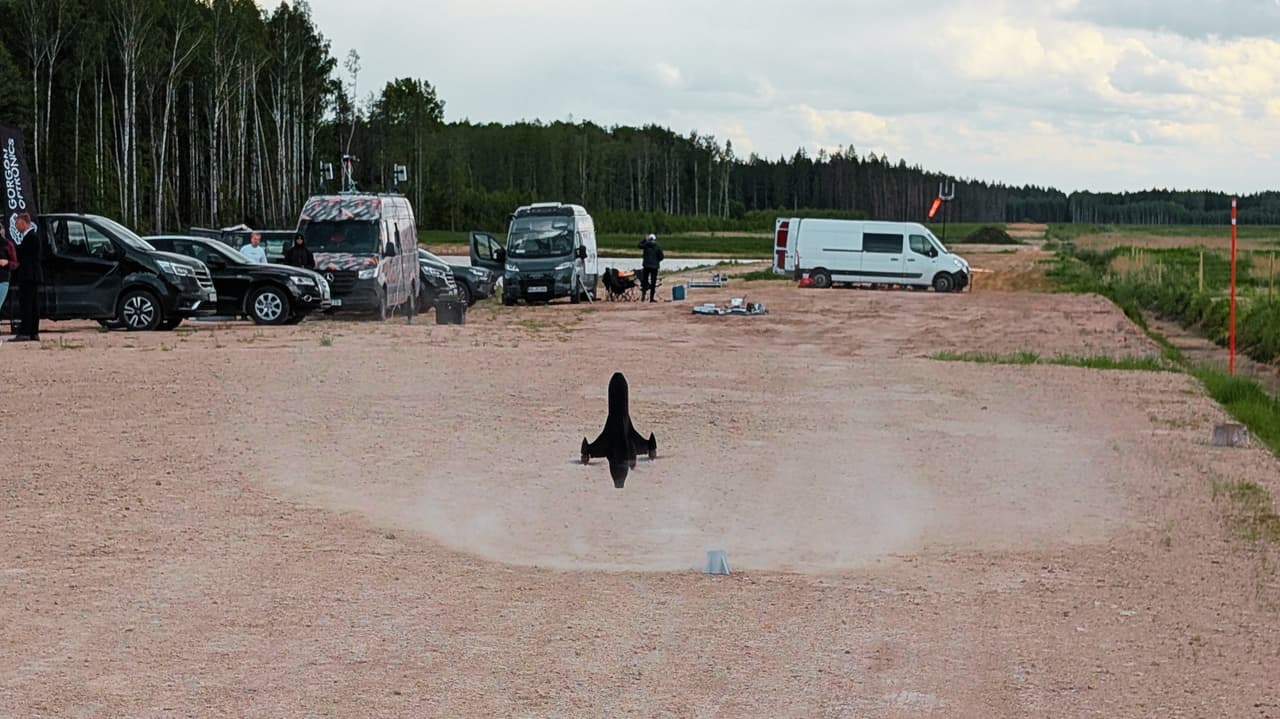
The Raven interceptor counter-drone system from RDC at the drone trial. (DSEI Gateway)
Each campaign will build on the last, progressively adding new capabilities. A key near-term priority is integrating command and control systems, as platforms are currently tested in isolation, Major Modris Kairišs, head of Latvia’s Autonomous Systems Competence Centre, told DSEI Gateway.
In the future, the range could also be used to test warheads, including rockets, Major Kairišs added.
Rapid testing
For smaller companies, access to a testing environment like Sēlija is significant. Regulations in countries such as Germany, France, and the UK place strict limits on the testing of equipment such as drones and jammers – technology that is now operationally critical. That regulatory burden slows the path from development to the warfighter, meaning it can take many months before tests go ahead, if at all.
Latvia, by contrast, takes as few as three days to approve drone testing at the range, Major Kairišs noted.
Many startups and SMEs attended the drone trial at Sēlija, including Origin Robotics (Latvia), Nordic Air Defence (Sweden), and Jet Drones (Germany), among others.
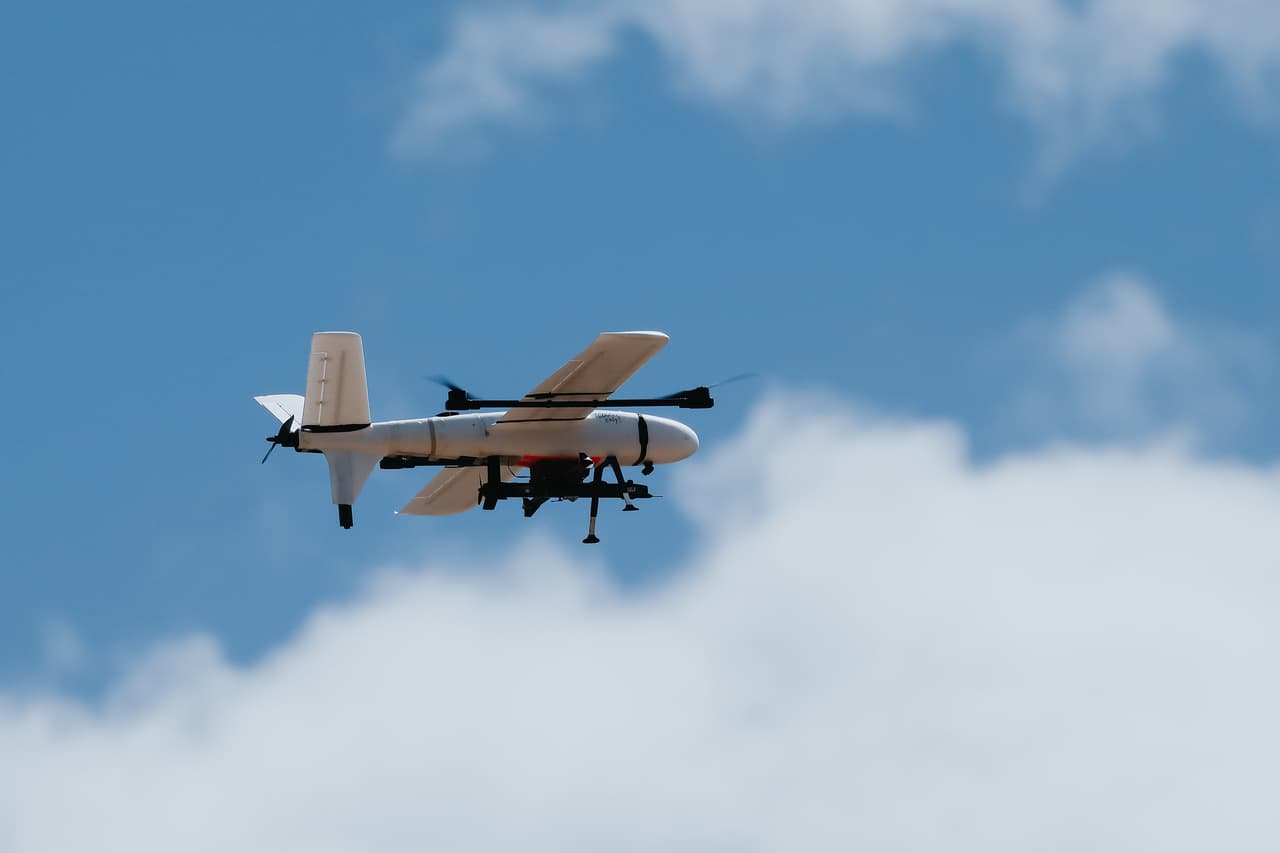
Nordic Air Defence's Kreuger interceptor equipped onboard a drone during the trial. (Latvian Ministry of Defence)
Sēlija is essential to help smaller companies test their equipment, Daniel Jacobs, a flight engineer at startup Jet Drones said to DSEI Gateway. The company therefore plans to establish a base in Latvia to take advantage of the range.
Beyond testing, NATO Innovation Ranges give companies direct exposure to military end-users, who are closely involved in the programme.
The ranges will also play a role in NATO's new Innovation Badges scheme, which aims to give potential buyers clearer insight into the maturity of specific technologies.
A trial of the methodology is planned at Sēlija in September.
Olivia
Savage
Editor in Chief, DSEI Gateway
Olivia Savage is the Editor in Chief of Clarion Defence & Security, organisers of DSEI and other defence events. Previously, she was a Senior Defence Journalist at Janes, specialising in electronic warfare, uncrewed systems, and space.