
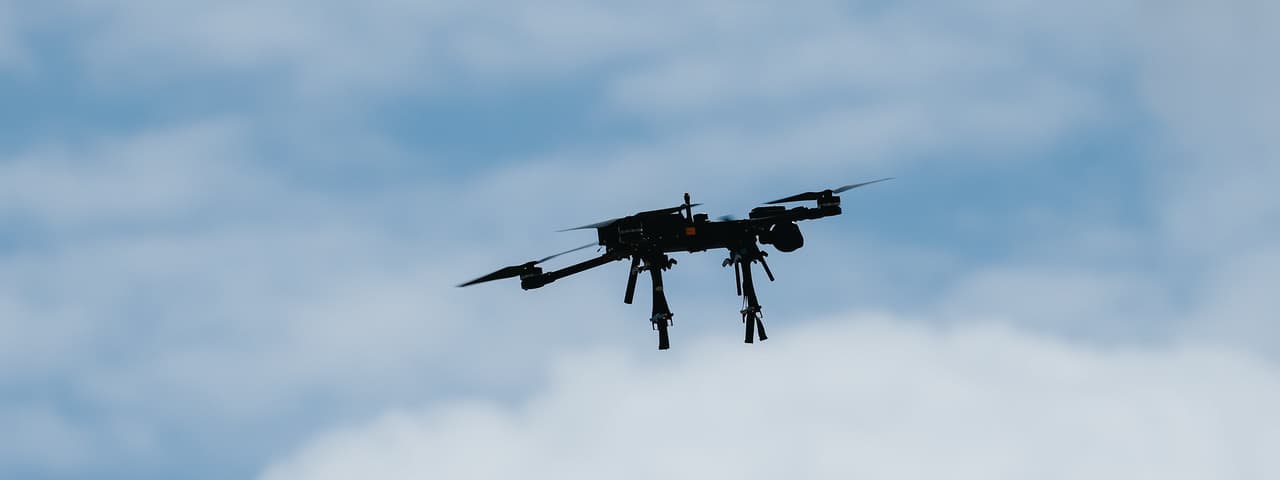
NATO drone trial in Latvia, May 2026. (Latvian Ministry of Defence)
Open for testing: inside NATO's new uncrewed testing range in Latvia
DSEI Gateway reports from NATO's new testing range in Latvia to examine what it means for industry.
23 JUN 2026

By
Olivia
Savage
Editor in Chief, DSEI Gateway
Speeding up procurement has become a defence priority. However, a faster pipeline is only useful if testing and evaluation can keep pace, and right now, the structures in place are not keeping up.
In countries such as Germany, France, and the UK, for example, strict regulatory limits on equipment testing at facilities slows the path from development to the warfighter. Tests can take many months to get underway, if at all.
Beyond slowing development and adoption, these limits affect industry too. Companies, especially smaller firms, need access to testing ranges to improve, iterate, and ensure their technology remains operationally relevant.
To address this, NATO is launching new ‘Innovation Ranges’, as part of its Rapid Adoption Action Plan unveiled in June 2025. The ranges are intended to help member states and allies accelerate testing, experimentation, and adoption of innovative technologies, the organisation says.
Five testing ranges are being established across Europe, each focusing on a different technology area. These include:
- Latvia – uncrewed systems
- Estonia – cyber and IT solutions
- Finland and Sweden – resilient and secure next-generation connectivity technologies
- Italy – undersea systems and maritime technologies
- Netherlands – autonomous maritime capabilities and seabed security in shallow-water environments
Latvia’s Sēlija testing range
Latvia is the most advanced of these ranges, having already organised several “campaigns” this year, Claudio Palestini, the Head of Innovation and Technology Adoption at NATO told DSEI Gateway during the International Drone Summit in Riga, Latvia on 27 May.
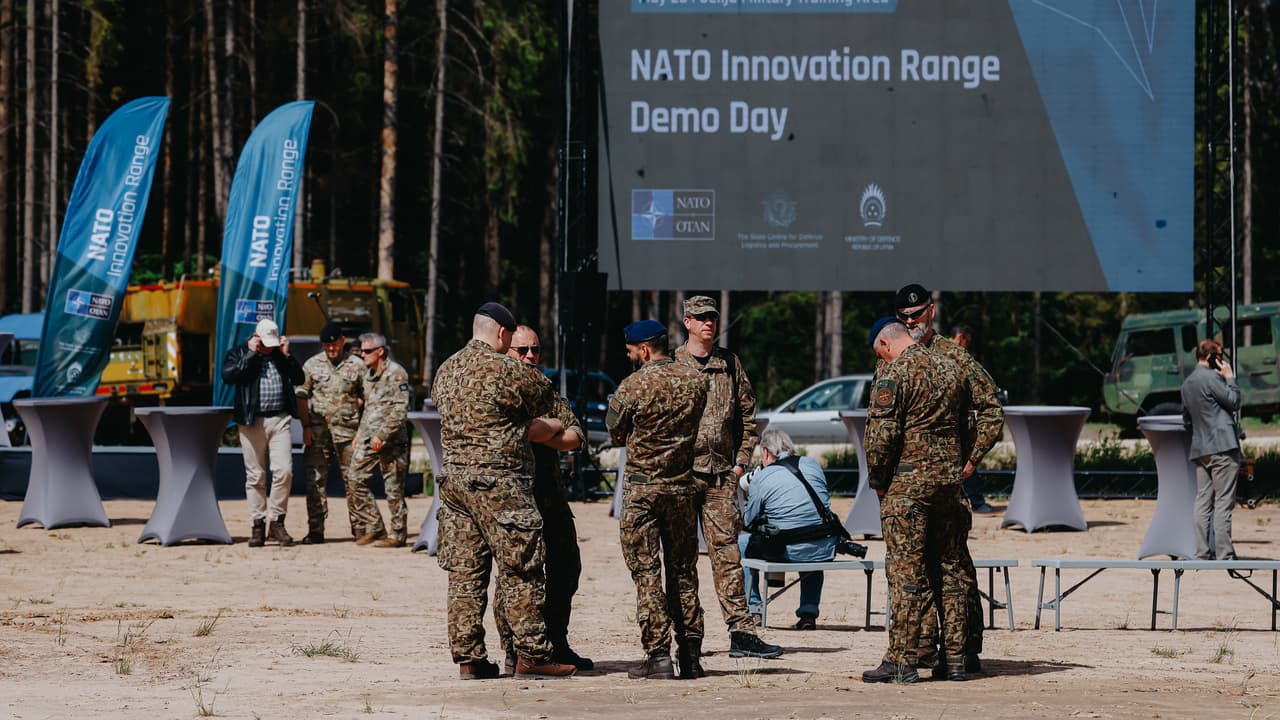
NATO's drone trial at the Sēlija testing range in Latvia, May 2026. (Latvian Ministry of Defence)
The range allows “all NATO companies to come here and test their technological solution.”
Based in Latvia’s Sēlija Military Training Area, the range evaluates the latest uncrewed systems and counter-drone technology from across the alliance.
A key advantage is its lighter regulatory environment, which permits testing at high altitude and in electronic warfare conditions – capabilities many NATO members cannot easily offer domestically, especially quickly.
This allows companies to test their equipment in operational environments closer to those seen in Ukraine.
Testing approval can be secured within days, according to Major Modris Kairišs, head of Latvia's Autonomous Systems Competence Centre, which oversees the range.
The procedure is very simple, due to [the] security situation, due to political support, we are cutting all the bureaucracy. In some countries, I will not mention which, it can take several months to do something similar.
Major Modris Kairišs, head of Latvia's Autonomous Systems Competence Centre
While NATO has access to the range, it is not exclusively for its use. Nevertheless, “we are glad to share this opportunity to our partners, to NATO, because in this context we need more companies in NATO and in the EU to be ready for some aggression,” Kairišs emphasised.
May testing campaign
The range’s inaugural testing campaign took place in March 2026, while the second iteration was held between 25-29 May, witnessed by DSEI Gateway and other media.
During the May campaign, at least 20 companies, from startups to SMEs, attended, demonstrating their drones and counter-drone systems, including sensors and jammers.
Origin Robotics (Latvia), Nordic Air Defence (Sweden), and Jet Drones (Germany) were some of the companies participating.
More than 10 different scenarios took place, with each increasing in complexity. The first scenario saw two first-person view (FPV) drones from Latvian SMEs Eraser and DK Unity fly complex manoeuvres.
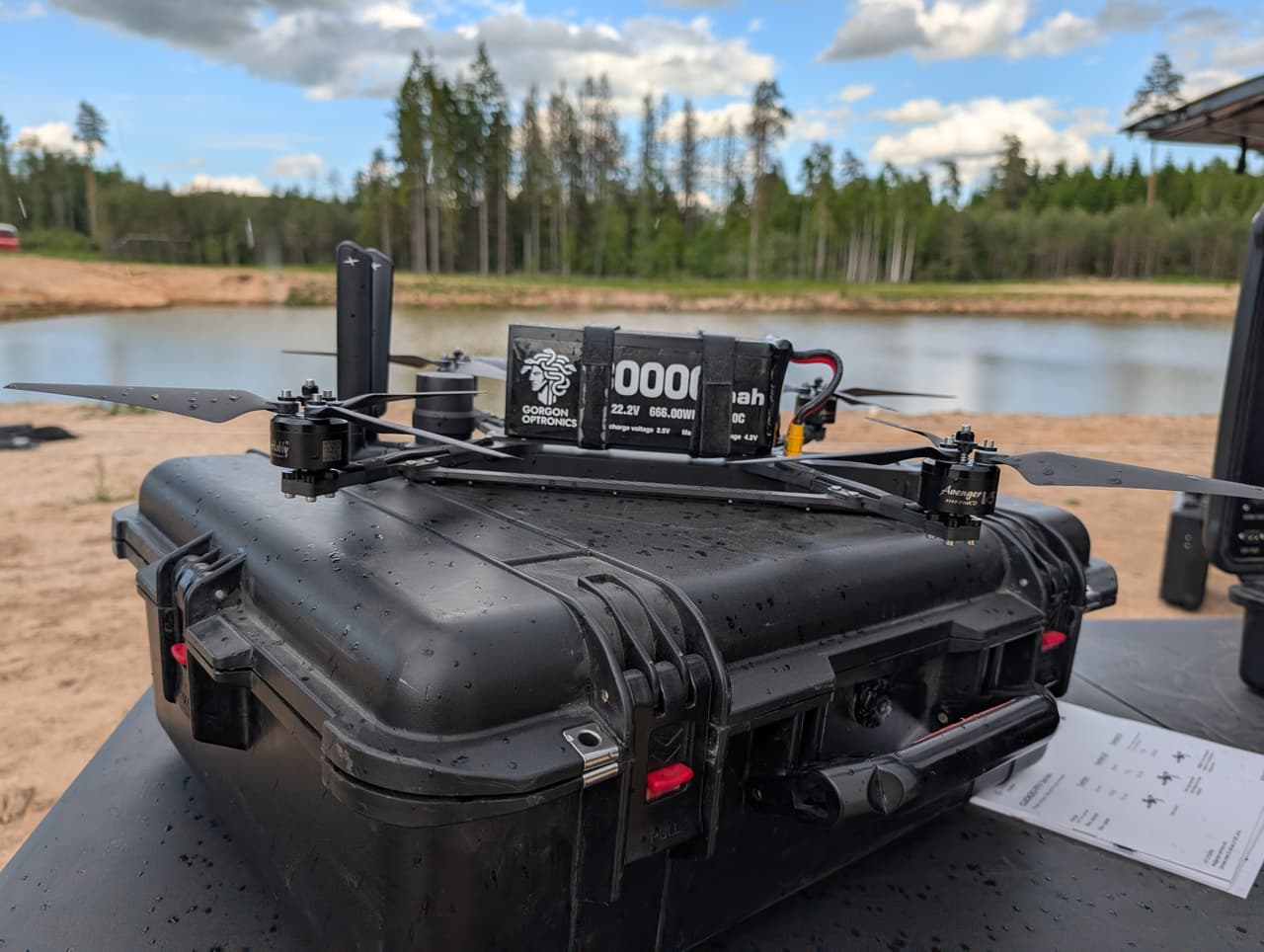
Cuckoo drone from Gorgon Optronics during the trial. (DSEI Gateway)
Following this, Gorgon Optronics, another Latvian company, demonstrated its Cuckoo FPV evading a jammer using frequency hopping techniques and encrypted datalinks. The system can scan frequencies to determine what is the quietest, “cleanest” frequency to operate on Jānis Vēliņš, Gorgon Optronics’ production manager, said.
Various interceptors were also demonstrated, including a jet-powered system from German startup Jet Drone, which can reach speeds of 350km/h.
Other interceptors demonstrated during the trial came from Nordic Air Defence, Eraser, Origin Robotics, Tempterno Defence, and Wild West Systems.
Essential for companies
Sēlija testing range is essential to help smaller companies test their equipment, Daniel Jacobs, a flight engineer at Jet Drones told DSEI Gateway.
The startup had a “great experience” at the range, he said, adding: “we love it, we can fly high and wide and have no regulations.”
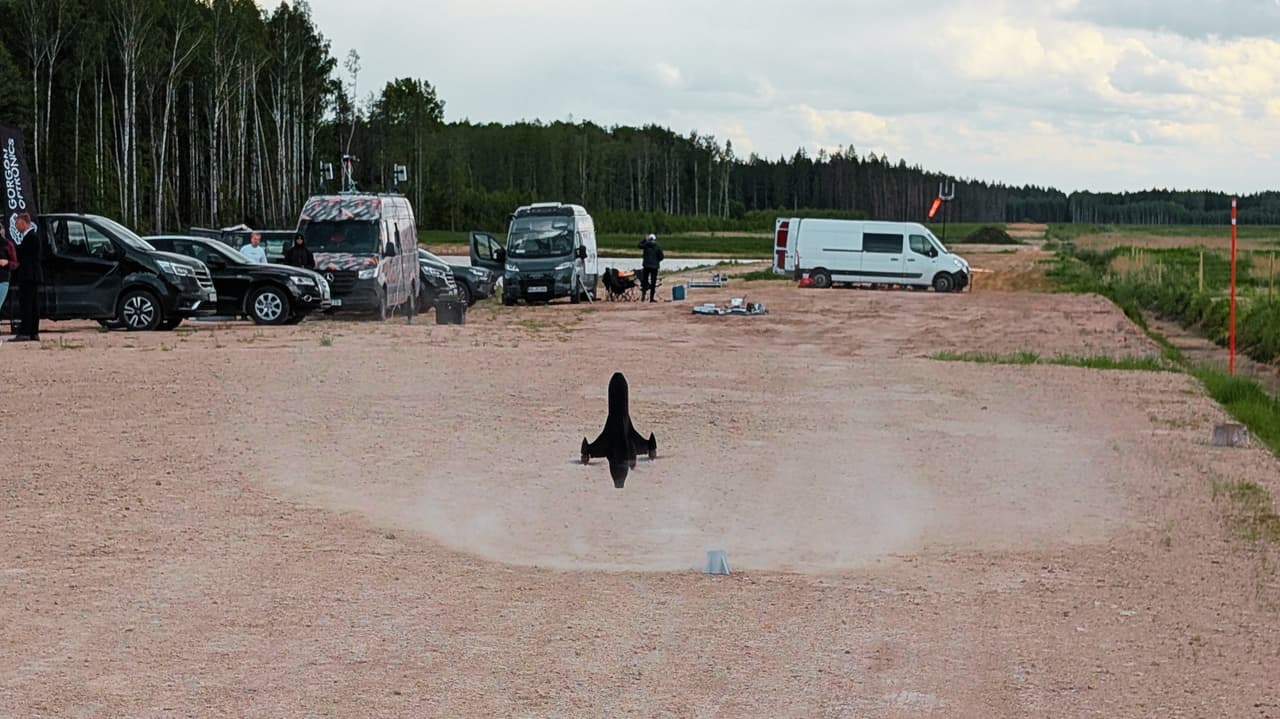
The Raven interceptor counter-drone system from company RDC at NATO's Drone trial in 2026. (DSEI Gateway)
In Germany, “we have problems testing”, he continued, noting that the company plans to base itself in Latvia so it can have access to the range. Along with testing in real-world conditions, the company will be able to attach warheads to their system, which is not possible in Germany.
A boon for Latvia
This dynamic is already visible with the companies which are using the range. Most of the companies participating during the May campaign were Latvian, even though it was open to others from across NATO member states.
With only five testing campaigns allocated to NATO members and their companies each year, Latvian firms have a significant advantage – easy access to a range that allows them to develop and iterate operationally relevant technologies.
This could, in turn, spur the development of a domestic, uncrewed systems industrial cluster. Origin Robotics is already demonstrating its relevance across borders, with Belgium, Estonia, and now France – as of June 2025 – acquiring its Blaze interceptor drone.
For companies outside the ranges’ host nations, access to the testing facilities remains under negotiation. According to Palestini, however, the intention is clear: "the spirit is NATO will maintain these calendars across all the ranges" before engaging member states for input on priorities.
Testing troubles
Companies that have participated at the Latvian range have encountered problems of their own, however.
During one trial, more than 90 electronic warfare counter-drone companies “failed in the tests”, the head of Latvia’s autonomous systems centre, Kairišs, said.
It's “not their fault”, Kairišs added. Until recently, these companies have had little opportunity to test their systems properly. Drones are also around two or three steps ahead of counter-drone systems.
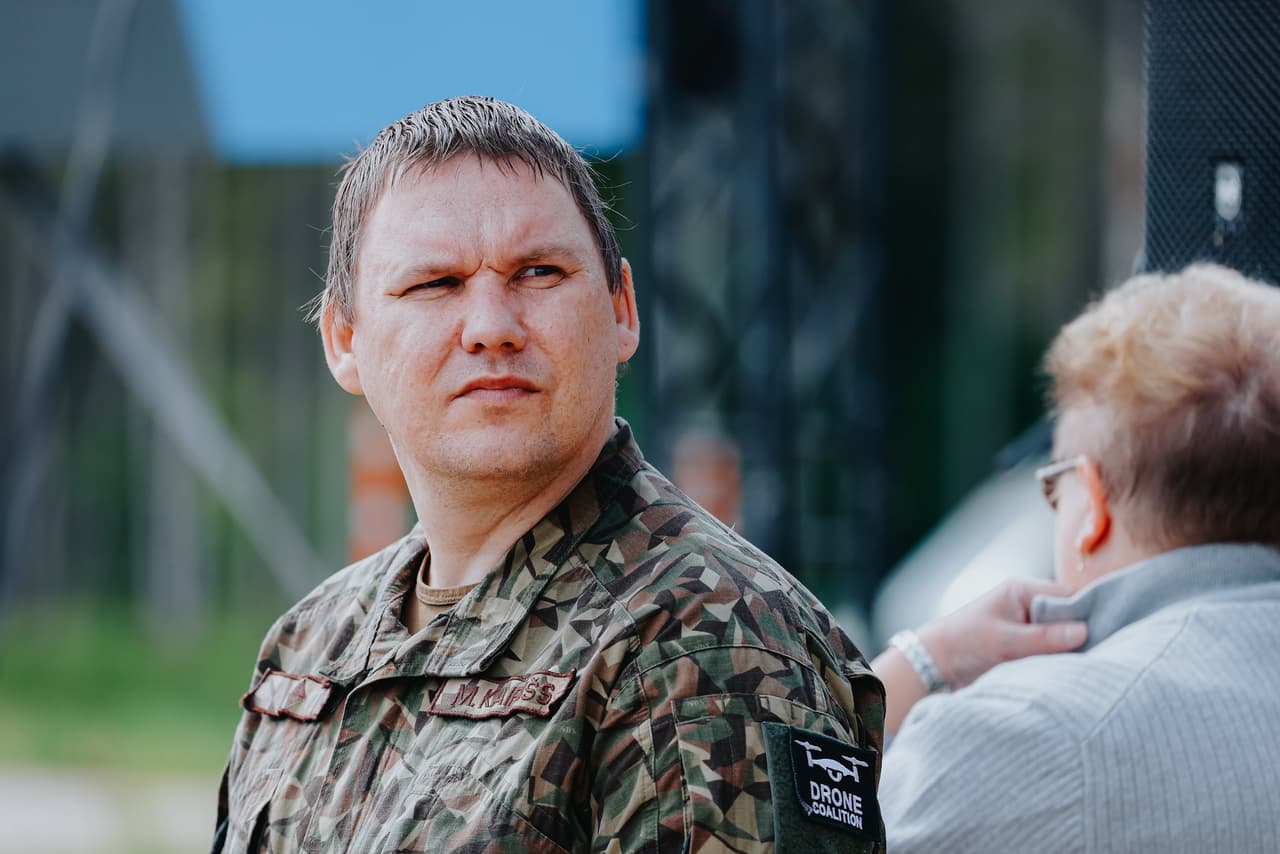
Major Modris Kairišs, head of Latvia's Autonomous Systems Competence Centre. (Latvian Ministry of Defence)
Nevertheless, the results highlight an important point: without access to ranges that replicate real-world operational conditions, equipment may not be suitable for deployment.
Another important point Kairišs highlighted is that companies often see the range “as an opportunity to sell their products, but it is not. This a place where you can improve your products.”
Indeed, Jet Drones said that attending the trial in May provided them with an opportunity to showcase their kit. “This event was a very big push for us, so that the military world knows Jet Drones is there.”
More to do
The May trial appeared broadly successful, though much of the technology on display was relatively similar, with only incremental differences between systems. Kairišs flagged this too, noting that “Europe has the technology” but must now integrate these capabilities effectively for cohesive drone and counter-drone defence.
Despite this, the range represents meaningful progress under the Rapid Adoption Action Plan. But significant constraints remain for testing and evaluation. While Latvia is loosening its regulations, testing of aerial platforms, electronic warfare systems, and other emerging technologies is still limited across much of the alliance, and not every SME or startup will be able to access these facilities.
More work is needed to relax national testing regulations and expand access to the ranges to enable the rapid procurement of equipment that delivers for the warfighter.
Olivia
Savage
Editor in Chief, DSEI Gateway
Olivia Savage is the Editor in Chief of Clarion Defence & Security, organisers of DSEI and other defence events. Previously, she was a Senior Defence Journalist at Janes, specialising in electronic warfare, uncrewed systems, and space.