
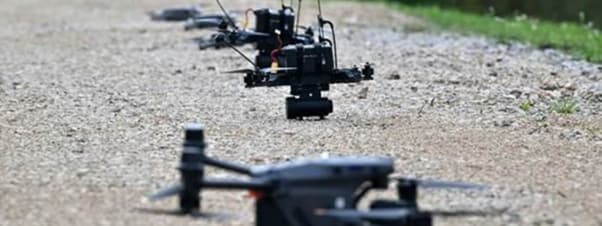
Croatian drones at the Combat Power 2025 military exercise. (Croatian Ministry of Defence)
Legacy factories, new tech: the Western Balkans defence revival
DSEI Gateway speaks with Western Balkan industry leaders to discover how the region is stepping up to help revitalise and secure Europe’s defence industrial base.
30 APR 2026

By
Tom
Barlow-Brown
Defence Journalist, DSEI Gateway
Europe is attempting to rapidly scale up its rearmament efforts.
To achieve this, the region needs to create new technological and industrial capabilities while building on existing ones.
While previously overlooked in terms of defence investment, the Western Balkans can help meet this goal by reviving former Yugoslav ammunition plants and nurturing a new tier of export-focused SMEs that develop advanced technologies.
Croatia, for instance, is attracting investment from primes and private capital through its expertise in uncrewed ground vehicles, while Slovenian SMEs are leveraging their technical knowledge to support European initiatives and pioneer simulation technology. Meanwhile, Bosnia and Herzegovina is manufacturing a high volume of munitions for Ukraine.
Underpinning these advantages is the region’s geographical proximity to Ukraine, technical knowledge, and its legacy infrastructure that allows these states to flexibly and rapidly produce reliable, high volume technology at pace.
A foundational manufacturing pillar
“Over the last five years, the Western Balkans has shifted from a post-conflict zone to a foundational pillar of the European defence architecture,” argues Dr Harun Karcic, vice-chair of the Sarajevo Security Conference, an annual event that brings together academia, government officials, and industry representatives.
For example, Croatia is home to around 100 defence companies generating approximately EUR600 million annually in revenue, developing everything from armoured vehicles and small arms to counter-UAS and uncrewed systems. It also exports around EUR150–200 million annually.
The region is now indispensable to NATO’s eastern flank
Dr Harun Karcic, Vice-Chair of the Sarajevo Security Conference
However, he argues it remains “strategically vulnerable” because leaders are still on a peacefooting.
In countries such as Bosnia and Herzegovina, this lack of urgency breeds strategic uncertainty, potentially leaving private investment and modernisation efforts without state commitment.
Croatia: government investment and SME exports
The Croatian government is tackling this by trying to generate momentum domestically.
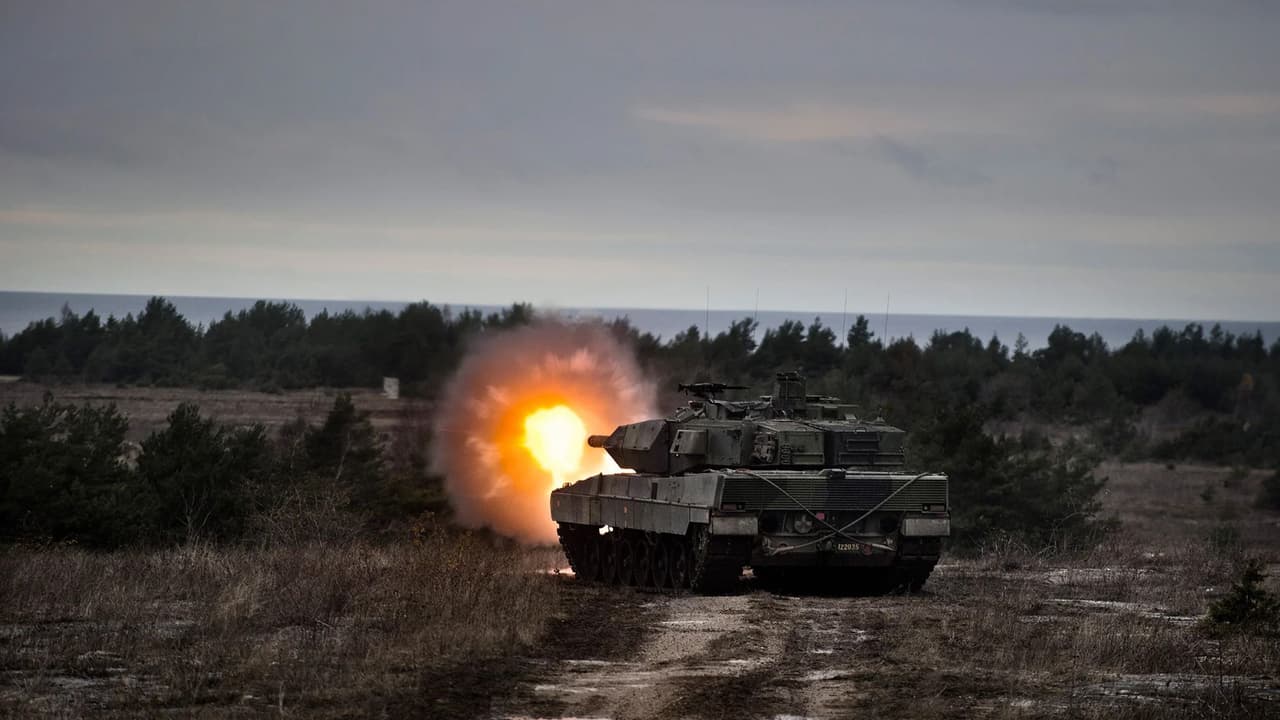
The Leopard main battle tank. (Swedish Armed Forces)
In 2025, the country outlined its largest-ever defence modernisation programme, with more than EUR3 billion earmarked to procure a range of different platforms, including Leopard 2A8 tanks and Caesar self-propelled howitzers.
It is also due to receive EUR1.7 billion in low-cost loans through the EU’s Security Action For Europe funding instrument.
Along with its own modernisation plans, the country wants to become actively involved in European efforts. In June 2025, the defence minister, Ivan Anušić, said he wanted the country to take a leading role within the EU to help produce uncrewed systems, funded by the ReArm Europe plan.
Several companies already involved in the local supply chain could support this, such as Orqa and DOK-ING, which manufacture drones and uncrewed ground systems, respectively.
Srdjan Kovacevic, co-founder and CEO of Orqa, explained to DSEI Gateway that they are “a global company and brand” rooted in the Western Balkans. He also believes the region is home to a large amount of untapped technical talent.
“There is a tremendous amount of hunger to build businesses, to build technology, to prove to the world that this region can offer the type of successful companies that we are mostly accustomed to seeing in the West,” he said.
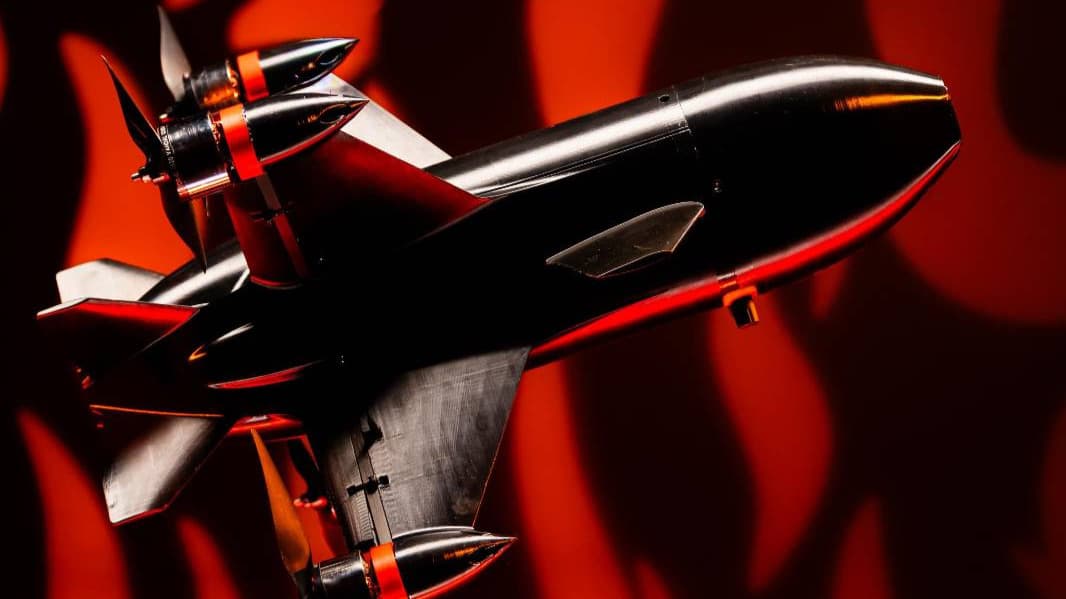
General Cherry's 'Bullet' interceptor (Orqa)
Orqa is already attempting to turn this ambition into industrial reality through its close partnership with Ukrainian manufacturer General Cherry.
Together, they are establishing a resilient, distributed manufacturing model that leverages Orqa’s production capacity and the Ukrainian company’s operational experience to deliver high-performance drones free from high-risk international components for Europe.
While Orqa represents a proof of concept in the Western Balkans, capitalising on the shift to defence remains a challenge, the CEO said. He argued that until recently, startups have faced a “bias” from investors, but this is changing “with every new success story.”
Meanwhile, the CEO of DOK-ING, Gordan Pesic, argued to DSEI Gateway that: “companies from the Western Balkans will succeed only if they're specialised... We need to fill the gaps for the big contractors in some shape or form because the big companies are challenged with flexibility and when it comes to development cycles.”
DOK-ING is a manufacturer of uncrewed ground systems specialising in mine clearance and operations in hazardous environments. In March, Rheinmetall acquired 51% of the company, highlighting the demand for its technical knowledge.
Through this partnership, Rheinmetall is “establishing a foothold in Croatia,” giving it “access to this highly interesting customer country,” the German company said.
Slovenia: SME-led regional defence innovation
While Croatia is forming partnerships, Slovenia is focused on leveraging its technical expertise and playing a more active role in European security. The industry – with exports totalling USD58.98 million in 2024 – is dominated by SMEs such as Guardiaris, a simulation and training specialist founded in 2006.
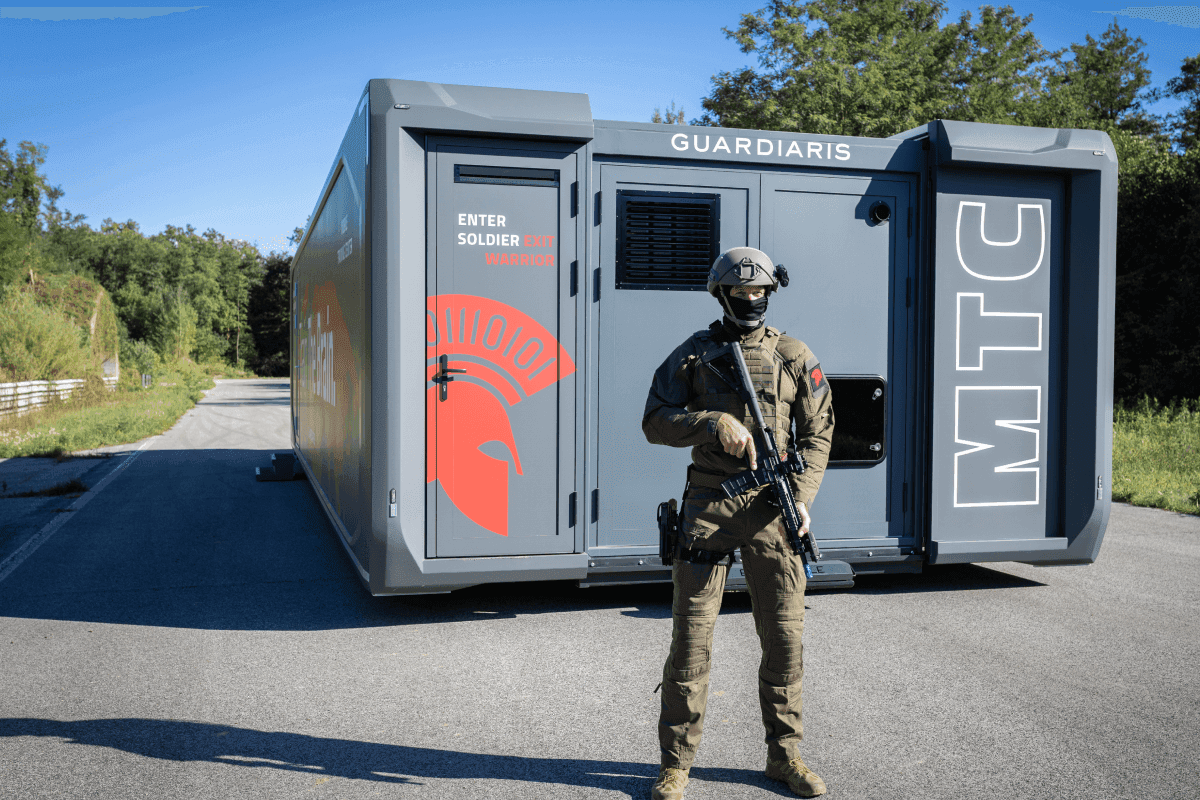
Guardiaris Mobile Training Centre. (Guardiaris)
Primož Peterca, the company’s CEO, told DSEI Gateway that Guardiaris globally exports its own training solutions, including its ‘Mobile Training Centre’ that are powered by its proprietary simulation engine, ‘Guard’.
The engine was developed “in-house” using European software exclusively for military specifications. “It is the only 100% EU-owned 3D graphics engine that competes” on equal terms with all existing tools on the market, he said.
It is now beginning to develop products in other areas, including drone radar and energy fuel cell technology – key capability requirements for Europe – and is actively involved in supporting European-wide projects.
For example, it is the first Slovenian company to win a development project within the EU-funded European Defence Industrial Development Programme.
In 2022, the company also played a key role in the Advanced Biometrics in Training and Simulation project, co-funded by the European Defence Fund, which aimed to design “non-invasive” wearable sensors to monitor vital signs and cognitive load during training.
Beyond individual companies like Guardiaris, the country is becoming an active leader in European security initiatives.
Supporting Europe
In January, the country took over chairing the Central European Defence Cooperation initiative, a forum established in 2010 to strengthen regional security within the EU and NATO. In March it joined the NATO Support and Procurement Ammunition Support Partnership, which aims to increase ammunition production capacity across Europe.
Slovenia is also involved in a EUR57 million EDF project, Sentinel, which is working on shifting military energy supply away from fossil fuels towards sustainable energy solutions.
Through involvement in EU-funded initiatives, assisted by government contracts, SMEs like Guardiaris are helping to drive Slovenia’s efforts to take a more proactive role in European defence.
Bosnia and Herzegovina: dual-calibre munitions and US investment
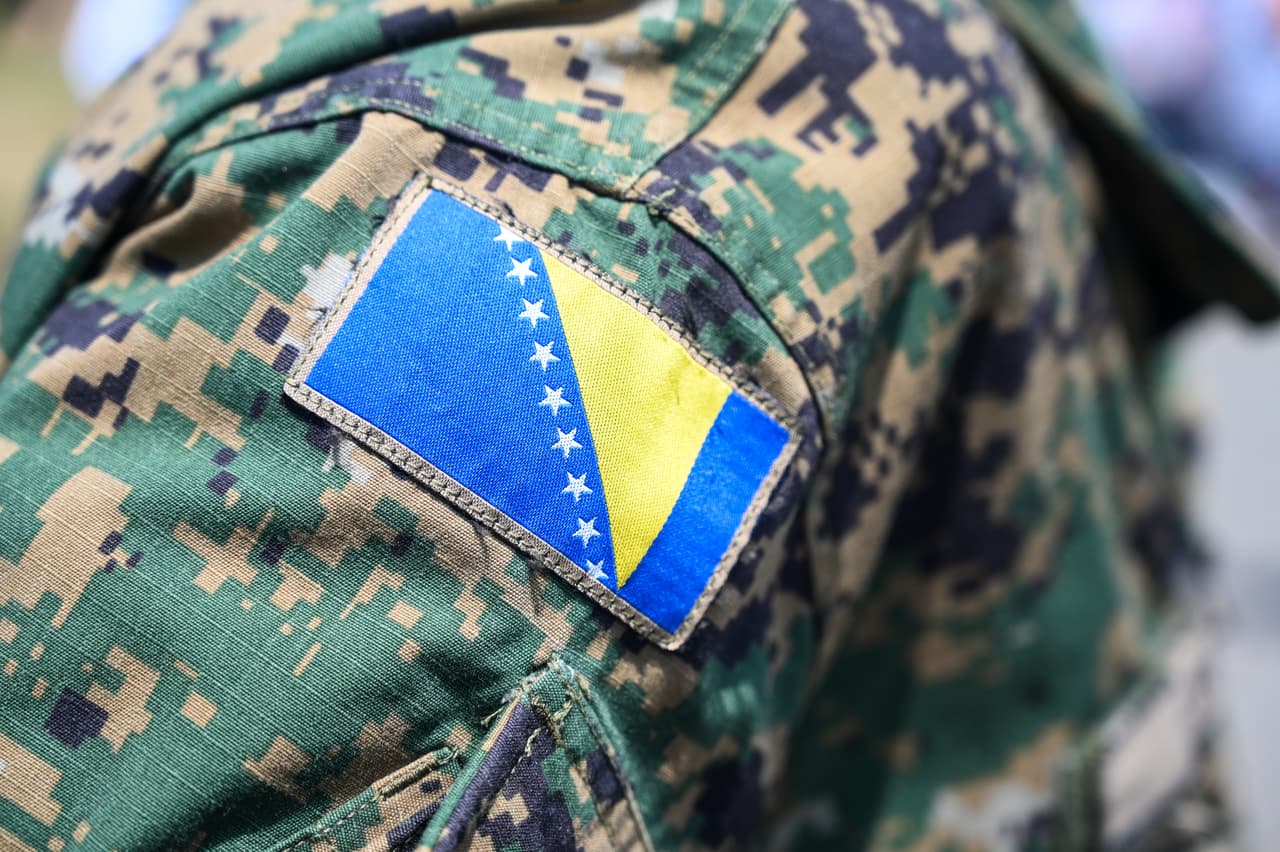
Leveraging its Yugoslav-era roots, Bosnia and Herzegovina’s defence industry has become a key supplier of munitions and light weapons, capitalising on the current demand from NATO and Europe.
Shutterstock
It is one of the few places in Europe that can add throughput quickly – if infrastructure can modernise and maintain production at high tempo.
“This is our unique selling proposition in 2026,” Karcic said. “The ability to supply both 155mm NATO rounds and the 122mm/152mm Soviet standards used by Ukraine is what keeps the world's eyes on Bosnia. This is what keeps it strategically relevant in Washington and Brussels.”
Production is concentrated in a series of former Yugoslav manufacturers such as Pretis, which produces large calibre ammunition, alongside SMEs such as Binas Bugojno, which produces grenades and fuses, and BNT-TMiH Novi Travnik, which supplies 60mm mortar rounds.
Bosnia and Herzegovina is in a unique position to produce both NATO-standard and ex-Soviet calibre ammunition at scale, an advantage for customers supporting Ukraine’s mixed-calibre needs.
A key development is the entry of US defence company Regulus Global, which acquired a 41.35% stake in Pretis. The US company said it plans to invest USD100 million over the next two years to modernise Bosnia and Herzegovina’s legacy Yugoslav-era factories and expand output.
Karcic describes the entry of Regulus Global as the “litmus test” for the country’s future, helping to professionalise “the DNA” of its defence industry.
A regional defence sector to watch if investment keeps pace
The Western Balkans is emerging as a significant defence technology and manufacturing hub, driven by its former Yugoslav roots and proximity to Ukraine and Russia, which allows capacity to be built closer to a key operational theatre.
This is beginning to attract interest from private capital and major defence companies.
By leveraging its deep technical know-how, the region’s companies are also driving innovation in drones, simulation, and other specialised systems.
With sustained investment and support from governments and the EU, the Western Balkans could evolve into a significant, manufacturing, and innovation pillar of Europe’s defence industrial base, capable of meeting the continent’s growing production demands.
Tom
Barlow-Brown
Defence Journalist, DSEI Gateway
Tom Barlow-Brown is a Defence Journalist for DSEI Gateway. Previously he worked as a reporter in the maritime sector covering developments in energy and tech.