News · C4iSR · Europe
Six EU states agree to commonly procure CBRN systems
The purchase will be managed via the EU’s new Collaborative Defence Procurement Centre.

News · C4iSR · Europe
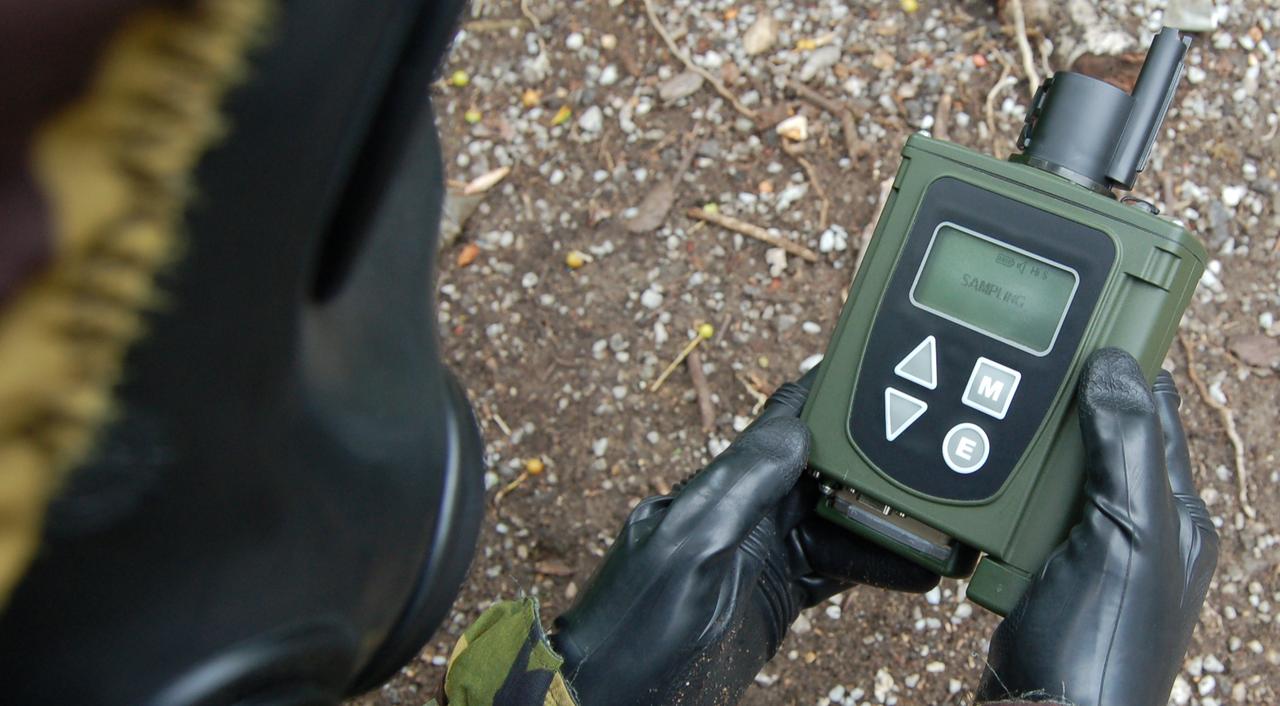
Six EU member states have agreed to explore the common procurement of chemical, biological, radiological, and nuclear (CBRN) surveillance equipment, to lower costs and strengthen interoperability.
Austria, Croatia, Germany, Lithuania, Slovakia, and Slovenia formalised the agreement on 17 November by signing a joint declaration at a European Defence Agency (EDA) Steering Board attended by defence ministers.
An announcement from the EDA says that the common procurement of CBRN equipment and services would allow the states to benefit from “economies of scale and reduced administrative burden”.
Procurements under the agreement would be managed by the EDA’s new Collaborative Defence Procurement Centre. DSEI Gateway understands that the centre’s ‘initial operational capacity’ was declared at the EDA Steering Board.
While the agreement remains subject to national approval procedures, the EDA says that other EU member states will be invited to join the initiative.
Potential future procurements will fall under the EU’s ongoing CBRN Surveillance as a Service project, established in November 2018. This project seeks to establish a sensor network of UASs and uncrewed ground systems to provide a situational CBRN picture. Austria is the lead nation on the project.
It is anticipated that the capability development phase of the CBRN SaaS project will complete in mid-2027. Any common procurements would then fall under the next phase.
What is the Collaborative Defence Procurement Centre?
The Collaborative Defence Procurement Centre was introduced by the EDA in May, and is intended to manage the joint procurement of off-the shelf equipment and services on behalf of member states. It will also offer contractual, project management, and armament expertise.
Additionally, the centre aims to consolidate existing procurement work that was previously split across EDA directorates.
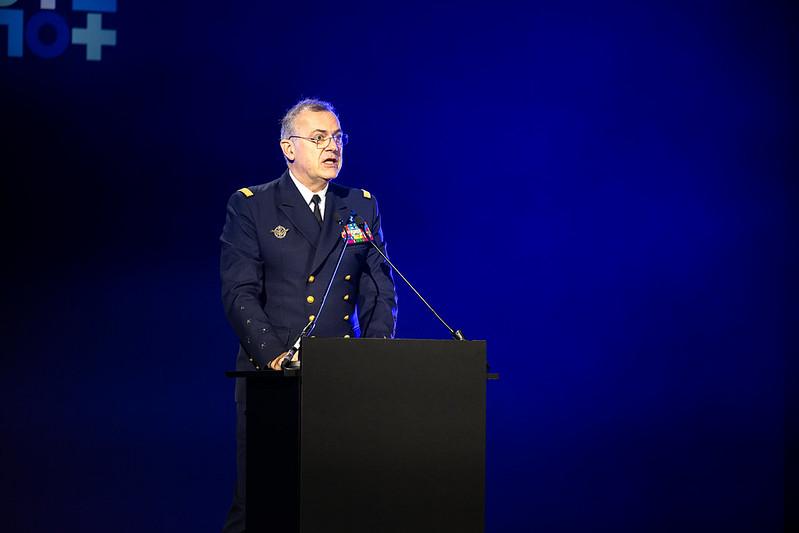
“Through its new Collaborative Defence Procurement Centre, EDA can help member states combine their purchasing power, coordinate joint procurement, reduce costs, and deliver interoperable solutions,” André Denk, EDA Chief Executive, said.