
News · Strategy & Policy · Europe
Ukraine sets out top 10 military lessons for NATO
The lessons aim to help guide and teach Ukraine’s allies about how to be prepared for crisis and war.

News · Strategy & Policy · Europe
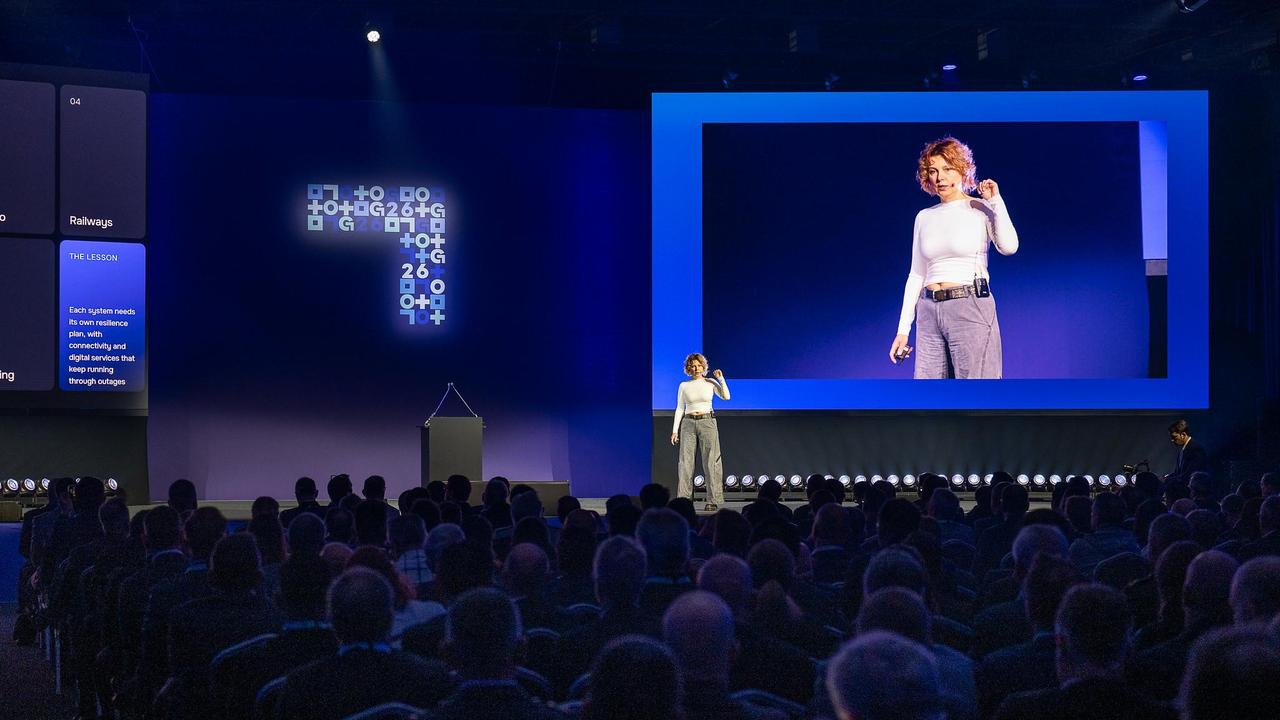
Ukraine’s Minister of Digital Transformation, Oksana Ferchuk, set out the country’s top 10 lessons from the war to the alliance at the NATO Edge conference in Izmir, Turkey, on 17 November.
Ferchuk, who previously served as Ukraine’s Deputy Minister of Defence for digital transformation, stressed that these were “not only lessons” but also the current challenges. “Each one is a challenge right now.”
The top lessons are:
- Protecting data centres
- Connectivity on every layer
- Protecting state information systems
- Cyber security, powered by AI
- A private sector as critical as the state
- Critical infrastructure under attack
- Fast R&D
- Coordination tools: Brave1 and DOT-Chain Defence
- Modernised procurement
- The frontline online, powered by AI
One of Ferchuk’s central points was that Russia targets Ukraine’s digital infrastructure, including “mobile operators, data centres, [and] connectivity points.”
Despite this, she said no military or civilian state service has gone down as a result, because Ukraine is prepared. This is because systems are hosted across on-premises data centres, Ukrainian and international cloud providers, and backups – including the most critical systems – are stored underground.
She warned the alliance to “consider that any on-the-ground facilities can be destroyed since the enemy has the weapon and the instruments to reach out.”
In a separate session at the conference, Air Chief Marshall Sir Johnny Stringer, NATO’s Deputy Supreme Allied Commander Europe, echoed this concern about digital infrastructure. Data centres, he said, are particularly vulnerable, noting that the UK has “next to no security” and limited redundancy.
On AI, Ferchuk urged European countries that are still hesitating over adoption at scale to change the question: “You should not think about whether to use or not. You should just think how to use it faster.”
Turning to cyber, Ferchuk said Ukraine faces attacks every day. Russia targets dozens of systems simultaneously and, once it finds vulnerabilities, uses AI “to immediately change the landscape and damage the infrastructure inside”.
To defend against this, she said: “You cannot rely on human minds anymore. You should use other instruments which are detecting and which are analysing this information in front of you.”
Civilian infrastructure is also under sustained attack. Russia is “not pretending anymore that they are working only on a military landscape, they are actively destroying the civil infrastructure,” she said.
The railways have been hit particularly hard, noting that there have only been 19 days when the railways were not attacked by Russia.
“You should take care about all of those components since they are keeping your society alive, your country alive.”
Underpinning Ukraine’s response, she said, is speed. “We are so fast. Flexible, and we are innovating on the fly.”
Finally, she recommended to the NATO alliance that the single fastest way to change was through procurement.
“I do believe that the fastest way is to change your procurement methods.”