
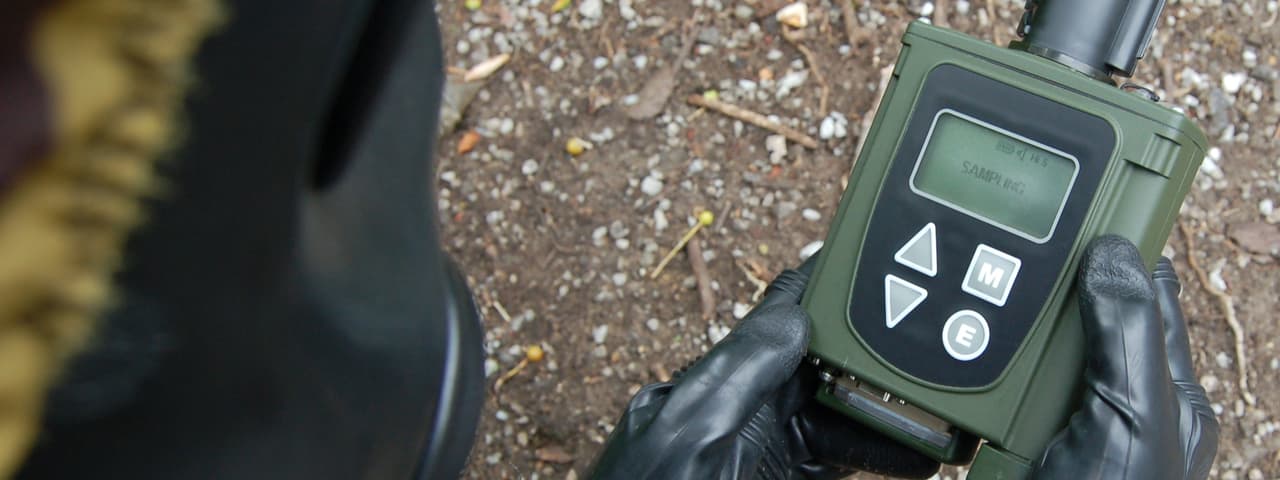
CBRN in the digital battlespace: Smiths Detection readies LCD for multi-mission sensing
Effective decision making in a CBRN environment relies on rapid detection in a networked, information sharing environment. Smiths Detection explains how the LCD 4 is built for connected sensing that supports multiple mission needs.
20 FEB 2026

By
Gerrard
Cowan
Data is a critical resource in the digital battlespace, empowering decision-making in all domains.
When it comes to CBRN detection, real-time information sharing is a necessity to rapidly respond to and counter detected threats. This demands a network-enabled ecosystem across all assets, from deployed personnel to land vehicles, uncrewed ground vehicles (UGVs) and (UAVs).
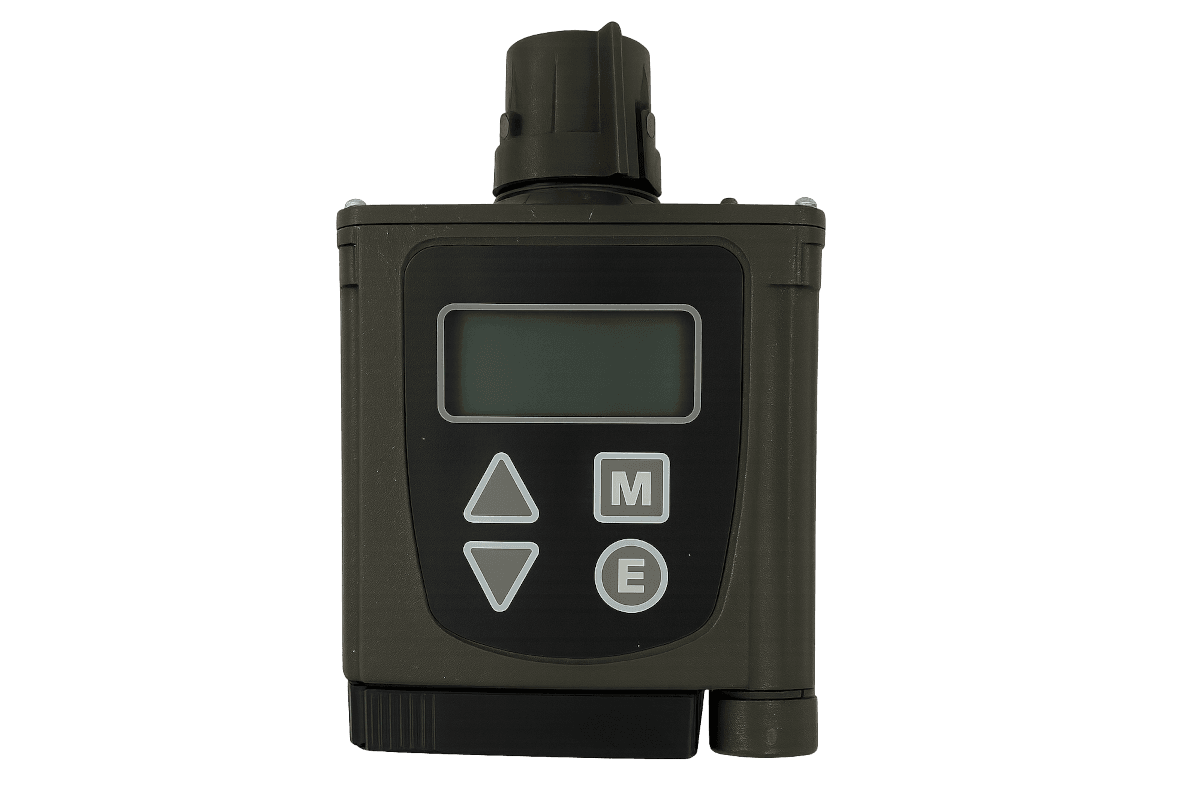
Smiths Detection LCD 4: designed to support multiple mission needs.
The need for an interconnected military landscape led the evolution of the Lightweight Chemical Detector (LCD) from Smiths Detection, a rugged, compact, battery-powered detector designed to rapidly identify chemical warfare agents and detect toxic industrial chemicals.
Speaking to DSEI Gateway Paul Rait, defence sales and business development manager at Smiths Detection, emphasised the latest version, the LCD 4, enables the future of connected sensing across multiple mission types.
Interoperability is central to this capability, allowing the technology to be deployed across military platforms and by individual personnel, creating a detailed picture of any fast-moving CBRN incident.
Designed for situational awareness, portability and adaptability

Interoperability is central to CBRN detection
Crucially, the LCD 4 was designed with advanced situational awareness in mind.
This is delivered through UrbanAware, a sophisticated simulation and modelling software tool that provides capabilities for a range of operational CBRN needs, from incident modelling to hazard forecasting, acting as the bridge between on-platform sensors and real-time operational understanding.
The LCD 4 is compatible with various modules, he noted. The LCD 4 is several levels up on its predecessor, the LCD 3.3, Rait said.
This includes the XID, a plug-and-play upgrade kit that transforms the LCD 4 from a vapour detector into a capability that can sample and detect aerosol, liquid and solid traces, including highly toxic agents like Novichok.
You can build a network of detectors that are all able to support each other and provide massive amounts of situational awareness
Paul Rait, Smiths Detection defence sales and business development manager
Such capabilities are vital in the increasingly unpredictable security environment faced by NATO member states and their allies, in which wide-ranging threat detection is more important than ever.
“You can build a network of detectors that are all able to support each other and provide massive amounts of situational awareness for the commander and the troops on any battlefield or any toxic environment, whether it’s militaries in an urban environment or first responders dealing with a situation in a chemical facility,” Rait explained.
Rapid, wide-ranging sensing capabilities
The focus on interoperability has rapidly expanded in recent years, Rait said, pointing to the growing demand to integrate uncrewed systems into wider data-sharing networks. While this has been a crucial theme in the war in Ukraine, it is also a growing focus in the civilian environment, he noted.
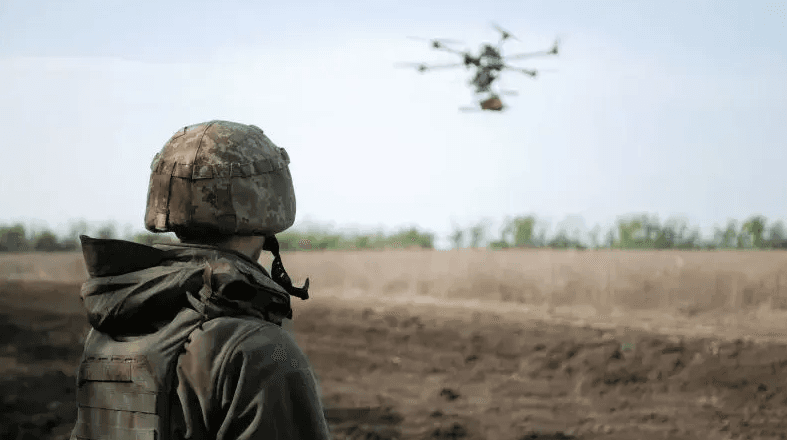
The device integrates with dismounted personnel, ground vehicles, and aviation assets to deliver real-time situational awareness
“The use of drones as a force in battlefields has really developed in the past years, but we’re also seeing more and more drone capabilities rolling out in urban environments: delivering goods, for example,” Rait said.
“We’re getting easier and more comfortable with the idea of [uncrewed] systems flying around our airways and our airspace.”
This has significant implications for CBRN detection, expanding the potential for rapid, wide-ranging sensing capabilities.
This versatility is delivered through several innovations. At a foundational level, Rait highlighted the importance of the system’s modest size, weight and power (SWAP) demands. While providing real-time situational awareness at scale, it also offers a low logistics tail, he said, thanks to its ability to detect a huge range of threats.
Providing real-time situational awareness at scale
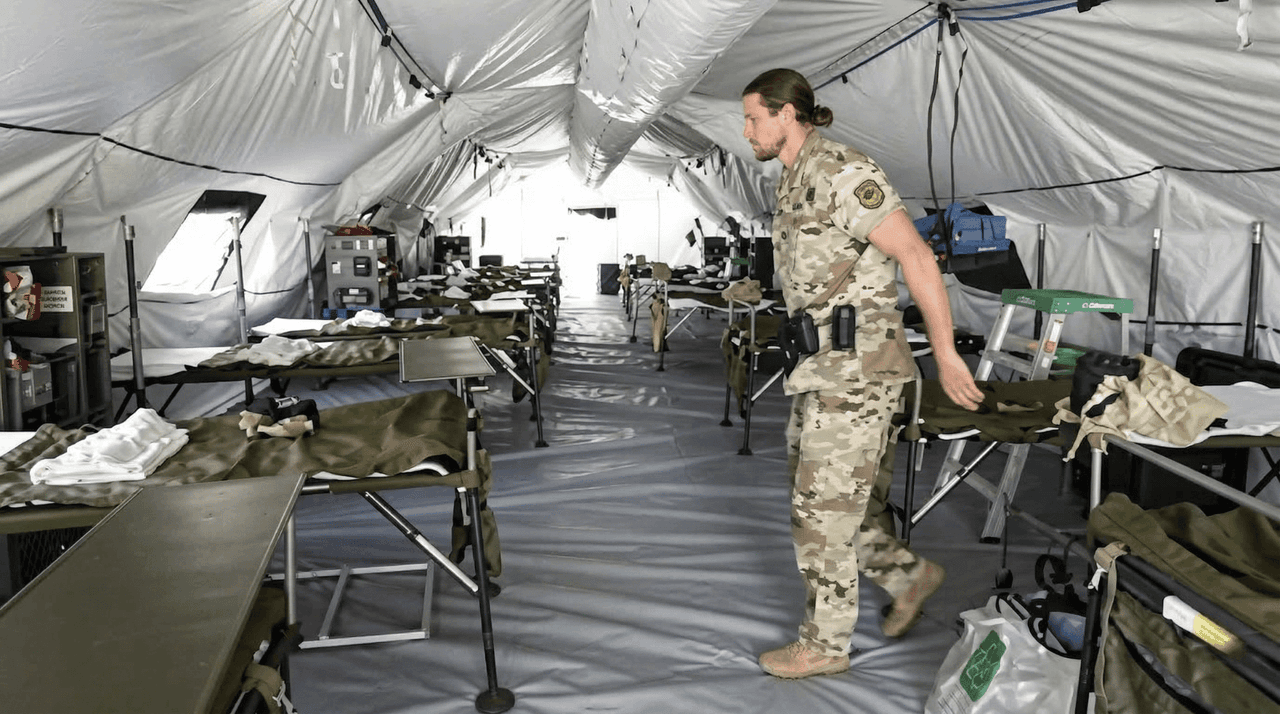
Collective protection environments can range from armoured vehicles to hospital tents
“Previously the military might have multiple different detectors, for vehicles, people or facilities protection, for example. That’s multiple systems you've got to train on, you've got to maintain, and you've got to resupply in the field,” he said. “Just one of our detectors could do all the jobs of most of those other detectors and they are interchangeable.”
Not only does this reduce the logistics burden, but it also cuts costs and training demands for the user.
“It's all about ease of use and ease to maintain. It’s been designed specifically to have no maintenance requirements: it doesn’t need calibration,” he said.
Networking capability is essential in the modern battlespace
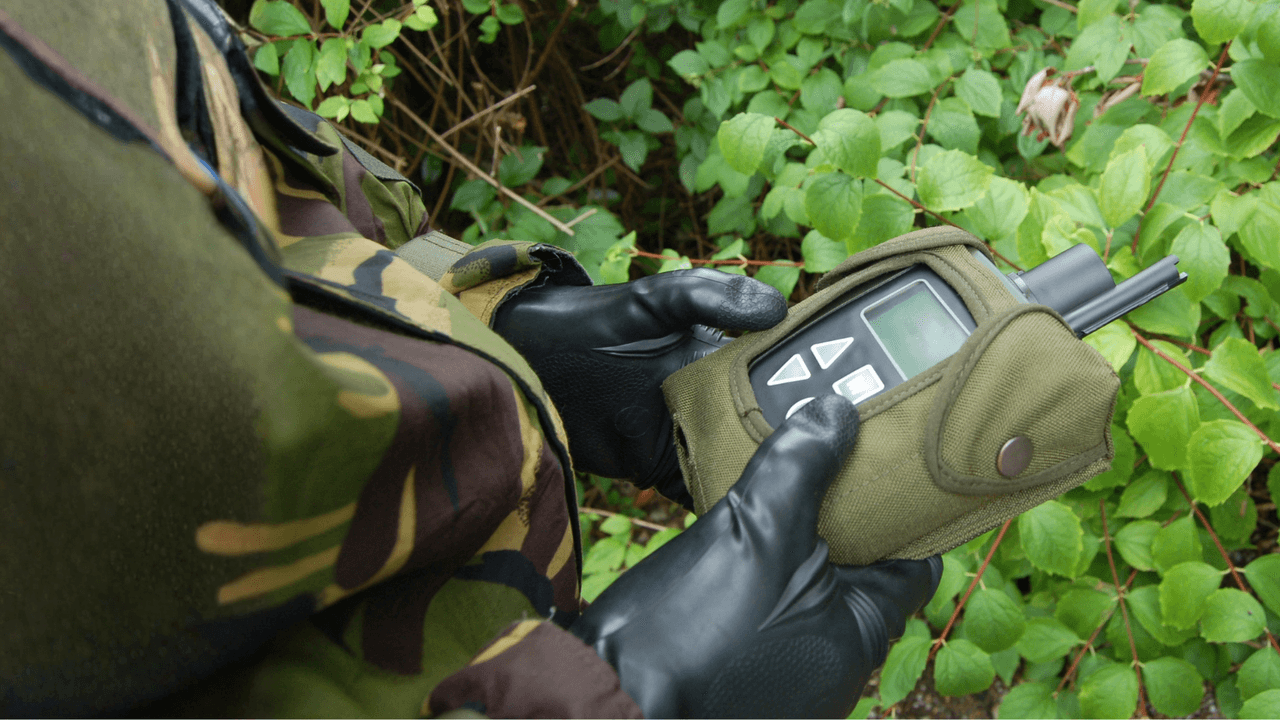
"Networking capability is also essential in the modern battlespace"
By visualising detection events on a digital map and boosting coordination across assets in all domains, UrbanAware supports both defence and emergency response operations, connecting the dots between detection and decision.
This emphasis on modularity is key to enable the LCD 4 to meet varying demands in both the battlespace and in wider civilian use. “It’s a remarkably simple tool for a whole variety of roles in the military, but also in security, policing, and in protecting VIPs and VVIPs, for example.”
UrbanAware: designed to integrate information from multiple sources
UrbanAware is central to the LCD 4’s role in the digital battlespace. Developed in partnership with Riskaware, UrbanAware is an information management tool that incorporates the latest innovations in cloud computing and modelling and simulation.
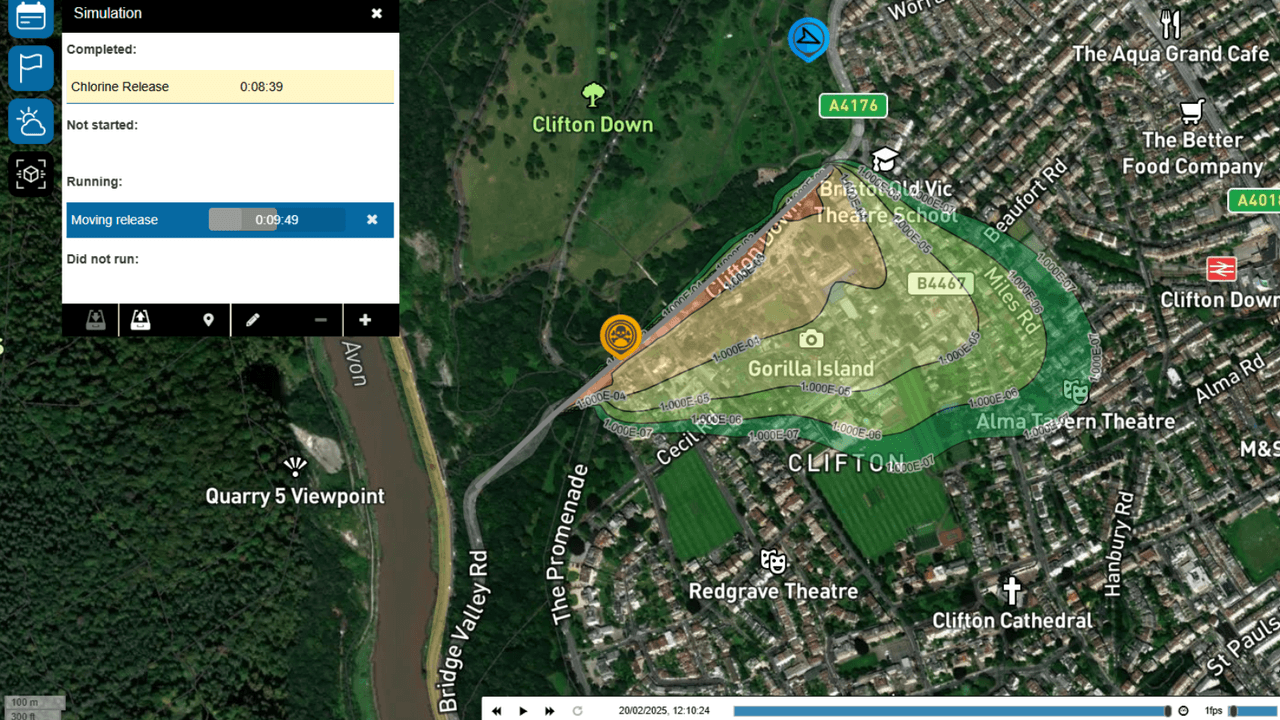
UrbanAware is central to the LCD 4’s role in the digital battlespace
UrbanAware is designed to integrate information from multiple sources, meaning it is well-suited to the multi-domain, digital battlespace; data fusion and visualisation can combine chemical readings from LCD 4 with a range of other data, such as location and environment-focused information.
Importantly, the software is detector-agnostic, Rait said, meaning it can incorporate data from a range of sources, not just the LCD 4. It can also be layered into wider situational awareness systems, such as the ‘Android Tactical Assault Kit’ more commonly referred to as ATAK which the US military developed.
Relieving stress and confusion in the friction of war
All of this supports rich, real-time operational insight, providing a unified picture and an ease of communication “which lifts the stress factor and the confusion – you start to lift some of the friction of war”, Rait noted.
For example, Rait outlined a scenario in which a vehicle equipped with LCD 4 alerts the operator to contamination in a particular area, such as a cloud of toxic vapour. This data is then transmitted back to UrbanAware.
“The software then projects the movement of the cloud using the weather data that it's got available to it, what it knows about the terrain, what it knows about the chemical that’s being reported,” he explained. “It then gives a very accurate estimate of the location of the cloud and where it’s going to go.”
GBP88 million contract to develop chemical sense equipment
Rait stressed that the LCD 4 is a life-saving device, whether deployed in military use or by civilian first responders.
The need to protect both civilians and military personnel will guide the company as it looks to the future, he said. For instance, the company is currently working on a module that provides radiological modelling and prediction. This could be used to project the impact and dispersal of ‘dirty bombs’ and similar threats.
Additionally, Smiths Detection is currently working on an GBP88 million contract to develop chemical sense equipment for the UK Ministry of Defence, using a new generation of chemical sensor, Rait said.
The company is always looking to improve its LCD system, Rait stressed, efforts that rely on close cooperation with customers. Indeed, such collaboration led directly to innovations with the LCD 4, including the incorporation of the XID.
“We are responsive to the needs of the customer and we're always looking forward to the next solution and the next technological leap,” Rait concluded. “We are always looking for ways to make our systems better.”
Gerrard
Cowan
Gerrard Cowan is a freelance journalist and editor who focuses on finance, technology, and aerospace and defence. His work has appeared in a wide range of titles, including The Wall Street Journal, Janes Defence Weekly, AvBuyer and more.